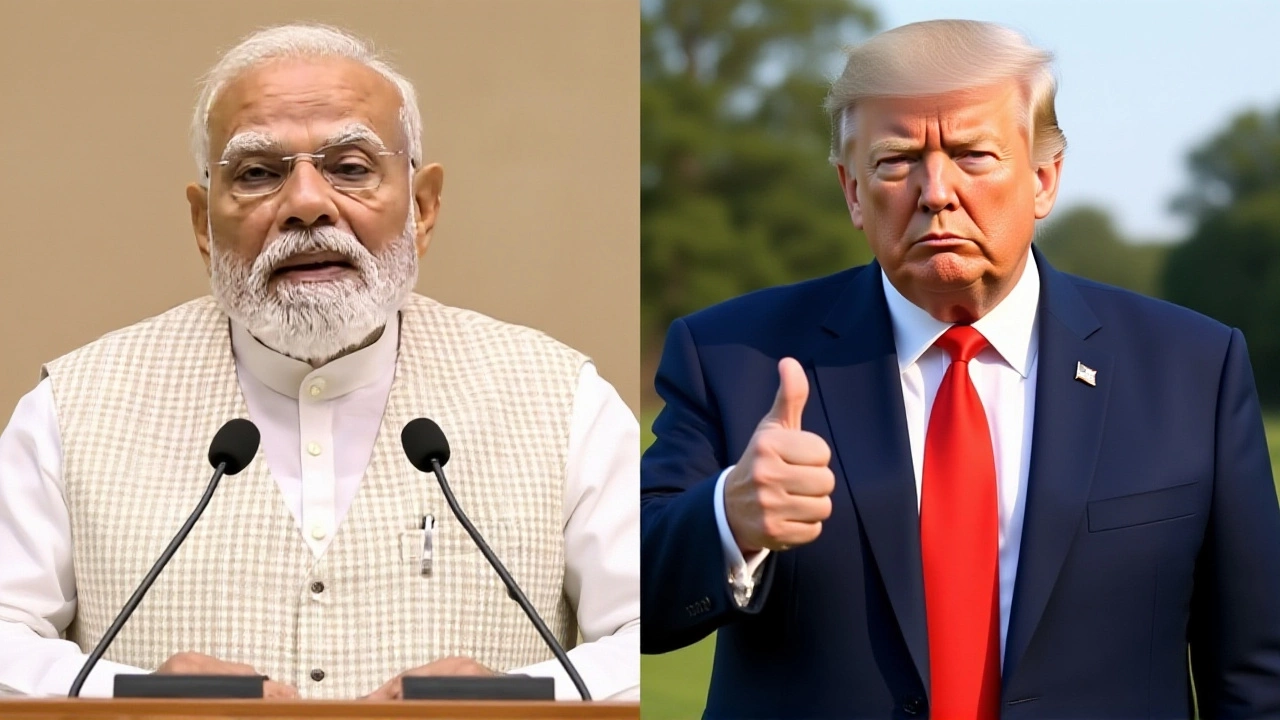
It’s the kind of headline that makes global markets freeze. On Monday night, May 25, 2026, Donald John Trump, President of the United States, didn’t just threaten action—he ordered it. Via a post on Truth Social, he declared that the United States Navy would implement a complete blockade of the Strait of Hormuz. The move comes in direct response to reports that Iran has closed this critical waterway, effectively cutting off one-third of the world’s seaborne oil trade.
The timing is brutal. It’s only been 18 hours since reports surfaced about Iran’s closure announcement. And now, with the US Navy moving in, the stakes have never been higher for global energy security.
A Digital Declaration of War
Here’s the thing: modern geopolitical crises often start not with sirens, but with social media notifications. At 2:15 PM Eastern Time, President Trump took to Truth Social, headquartered in Sarasota, Florida, to deliver a message that sent shockwaves through Washington and Tehran alike.
"The United States Navy will now block all ships attempting to enter or exit the Strait of Hormuz," he wrote. "This vital waterway, which Iran has previously threatened to close unconditionally, must remain open for global commerce."
He didn’t mince words. Trump labeled Iran’s actions as "blackmail" that "will not be tolerated." This isn’t just diplomatic posturing; it’s a direct military order. The implication? Any vessel trying to navigate the strait—whether Iranian or otherwise—faces immediate interception by American forces.
Why the Strait Matters More Than You Think
If you’ve ever wondered why a narrow channel between Oman and Iran matters so much, here’s the reality check. The Strait of Hormuz is roughly 21 miles wide at its narrowest point. It’s the only sea passage from the Persian Gulf to the open ocean.
Every day, approximately 17 to 18 million barrels of oil pass through those waters. That’s nearly 30% of all globally traded seaborne oil. When you block that chokepoint, you don’t just disrupt shipping routes—you starve economies.
Brent crude was trading at around $85 per barrel as of May 26, 2026. But analysts warn that a sustained blockade could send prices soaring into triple digits within days. For consumers in New Delhi, where petrol currently sits at ₹94.77 per liter and diesel at ₹87.67, the pain is already palpable. If supply chains break, those numbers are going up fast.

Escalation Amid Failed Peace Talks
The twist is that this escalation comes right after reported peace talks between the US and Iran in Islamabad, Pakistan. According to reports from ABP Live dated May 26, 2026, negotiations were underway to de-escalate tensions. Instead, we’re looking at a potential naval confrontation.
Reports from Panchjanya on March 10, 2026, had already hinted at rising hostilities, describing previous moves as part of a broader "war with Iran." Now, with Iran allegedly closing the strait within 18 hours of new tensions flaring, the window for diplomacy appears shut.
YouTube reports from May 26 described the situation as a "major crisis" that has "further increased tensions between the US and Iran." One video claimed that "Iran's military capabilities have been significantly weakened," suggesting the US may feel confident in enforcing this blockade without triggering a full-scale war. But others warned bluntly: this confrontation "could escalate into war."
Historical Echoes and Future Risks
This isn’t the first time the world has held its breath over the Strait. Forty years ago, during the Tanker War (1984–1988), the same waters became a battleground. Mines, missiles, and maritime skirmishes defined that era. Today, the US maintains about 30,000 military personnel across the Middle East, with the Fifth Fleet headquartered in Manama, Bahrain, ready to respond.
The last major flashpoint was the 2020 assassination of Iranian Major General Qasem Soleimani. Since then, tensions have simmered. Now, they’re boiling over.
What happens next depends on two things: whether Iran attempts to force its way through the blockade, and how other global powers—China, India, Europe—react to the disruption of their oil supplies. For now, the world watches, waits, and worries.
Frequently Asked Questions
What exactly did Donald Trump announce regarding the Strait of Hormuz?
On May 25, 2026, President Trump announced via Truth Social that the United States Navy would enforce a complete blockade of the Strait of Hormuz. He stated that all ships attempting to enter or exit the waterway would be blocked, citing Iran’s alleged closure of the strait as unacceptable blackmail against global commerce.
How does this affect oil prices and fuel costs globally?
The Strait of Hormuz handles roughly 30% of the world’s seaborne oil trade. A blockade threatens to spike Brent crude prices, which were at $85 per barrel as of May 26, 2026. In India, petrol is priced at ₹94.77/liter and diesel at ₹87.67/liter; these figures could rise sharply if supply disruptions persist, impacting inflation and consumer spending worldwide.
Why is Iran closing the Strait of Hormuz?
While specific motives remain unclear, reports suggest Iran closed the strait in response to escalating geopolitical pressures and failed peace talks in Islamabad. Analysts view it as a strategic leverage tactic, though the US characterizes it as an act of aggression threatening global energy security.
Could this lead to a wider war between the US and Iran?
Yes, experts warn that this confrontation "could escalate into war." While some reports claim Iran’s military capabilities are weakened, the risk of miscalculation remains high. With 30,000 US troops in the region and historical precedents like the Tanker War, any direct clash between navies could trigger a broader regional conflict.